If there’s one question we hear more than any other from first-time visitors to North Sumatra, it’s this: “When should I climb Mount Sibayak?” The answer isn’t as simple as picking a month on the calendar. It depends on what kind of experience you’re after — and how you feel about rain.
Understanding North Sumatra’s Climate
North Sumatra sits just north of the equator, which means temperatures remain relatively consistent year-round. At sea level in Medan, you’ll experience tropical heat averaging 32°C. But the Karo Highlands, where Mount Sibayak is located, sit at around 1,300 meters elevation — making Berastagi significantly cooler with daytime temperatures of 18–24°C.
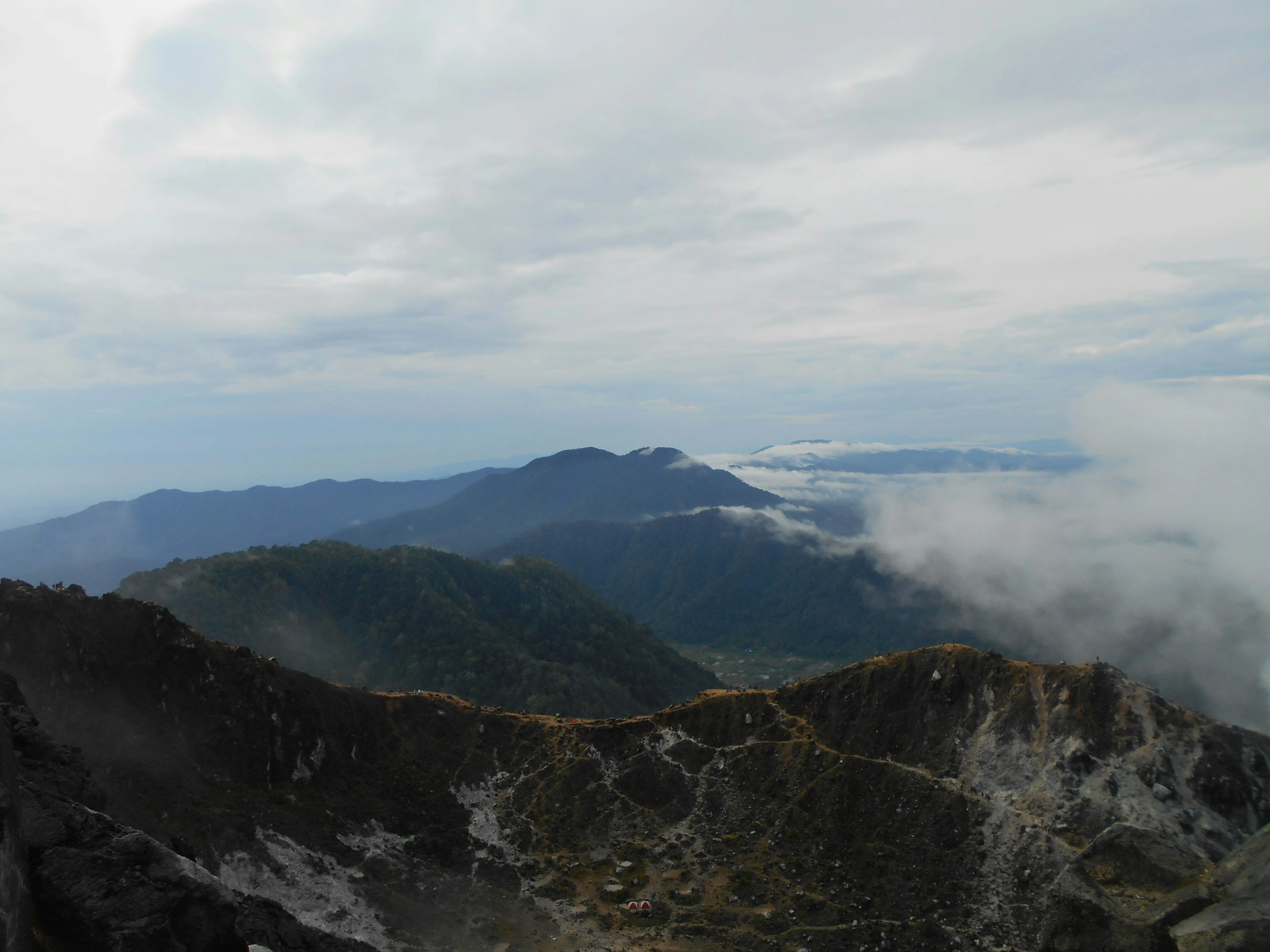
At the summit (2,212 m), pre-dawn temperatures can drop to 8–10°C. Combined with wind chill, it can feel even colder. This is why layering is essential — you’ll start the climb in cool conditions and arrive at a genuinely cold summit.
The Dry Season: April to October
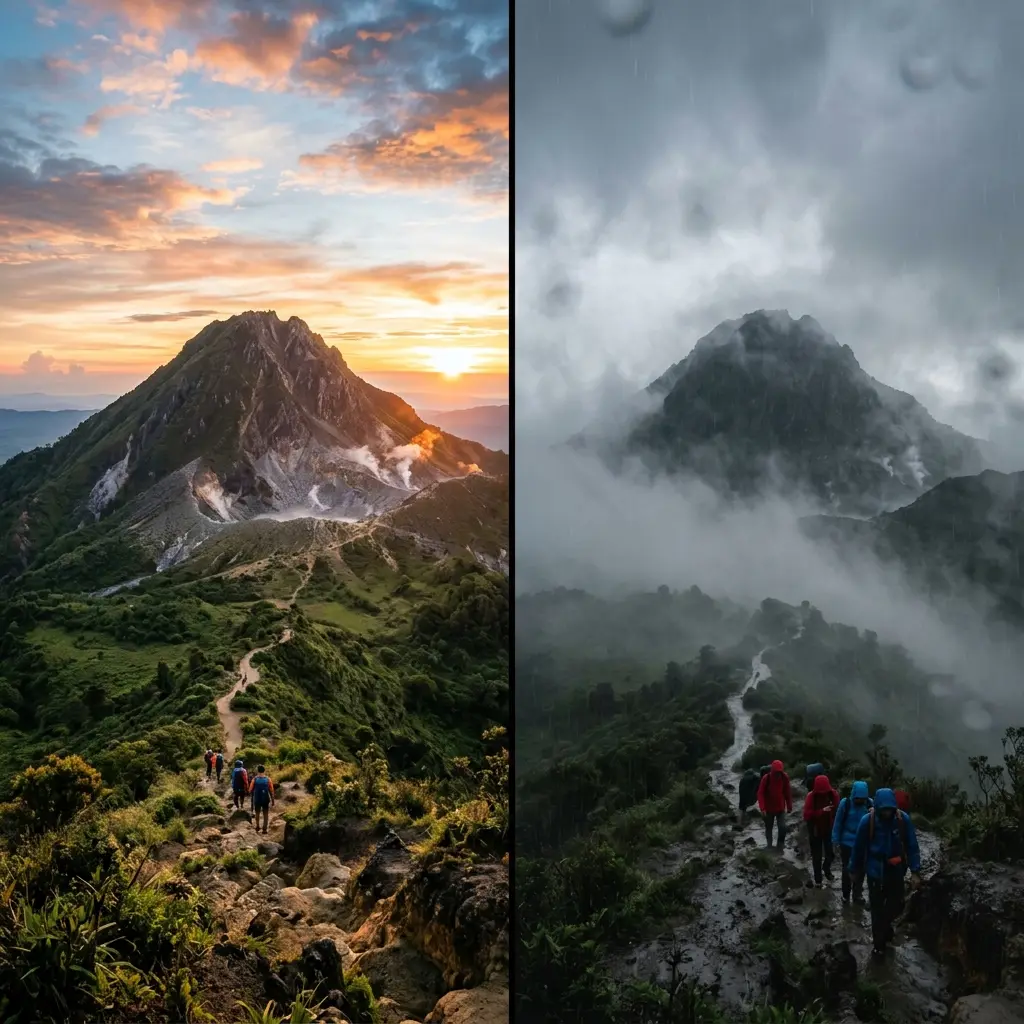
This is peak trekking season, and for good reason. Rainfall drops significantly, skies are clearer, and the probability of catching a stunning sunrise is at its highest. The trails are drier and less slippery, making the ascent safer and more enjoyable. Ideal for first-time trekkers and families.
The Wet Season: November to March
Rain increases significantly during these months, with heavy afternoon downpours being the norm. Morning treks are still possible — and some argue the misty, dramatic atmosphere makes for even more memorable experiences. But be prepared: trails will be muddy, visibility can be low, and the sunrise is less reliable.
Whatever month you choose, our team will be ready to guide you to the summit safely. The mountain is waiting.