TREKKING TIPS · MARCH 28, 2026 · UPDATED OCTOBER 2, 2026 · BY OUR GUIDES
Mount Sibayak Weather & Best Time to Climb — Seasonal Guide
Mount Sibayak weather month by month — dry season April to October, wet season November to March, and the best months for a clear sunrise trek.
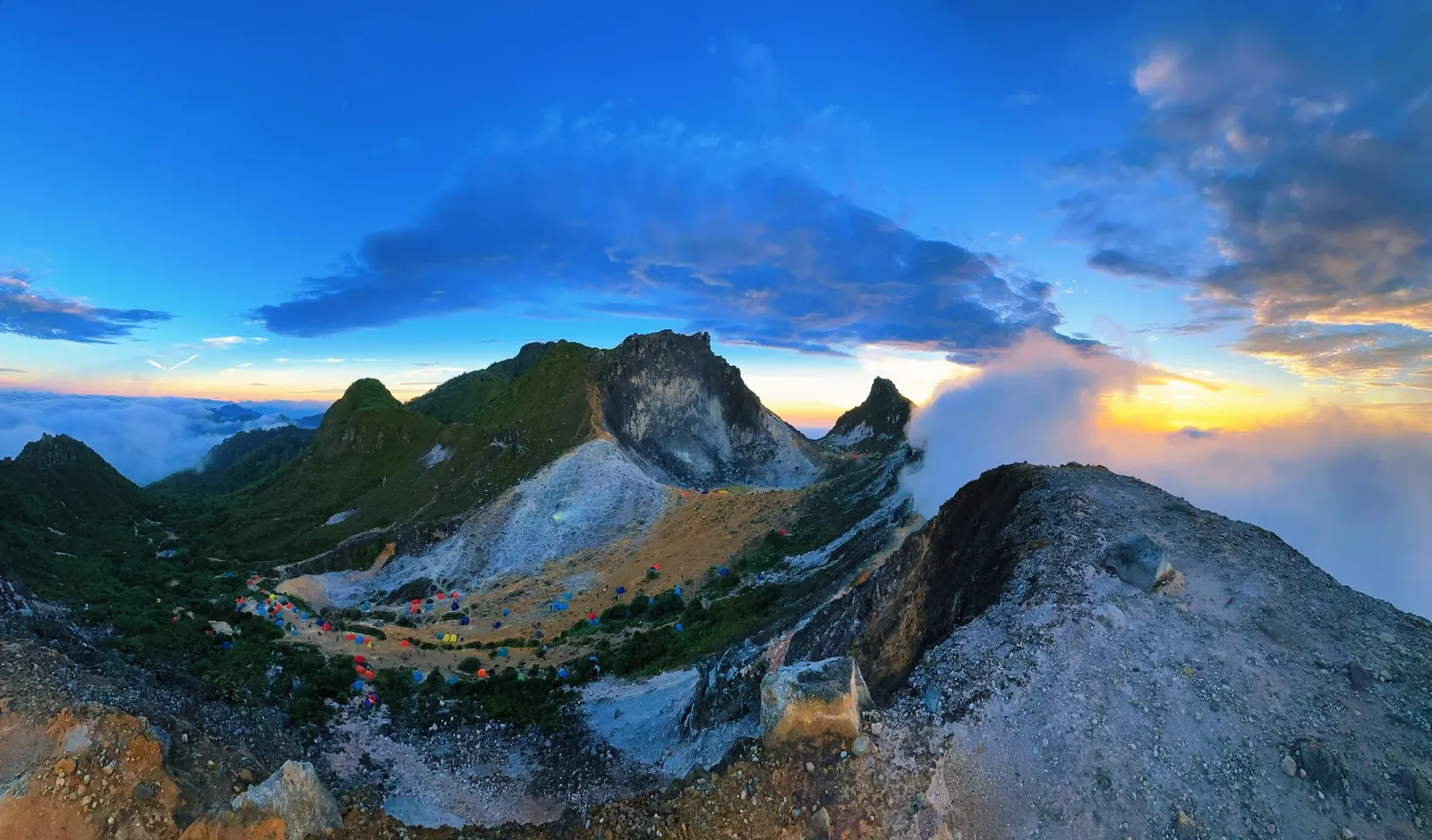
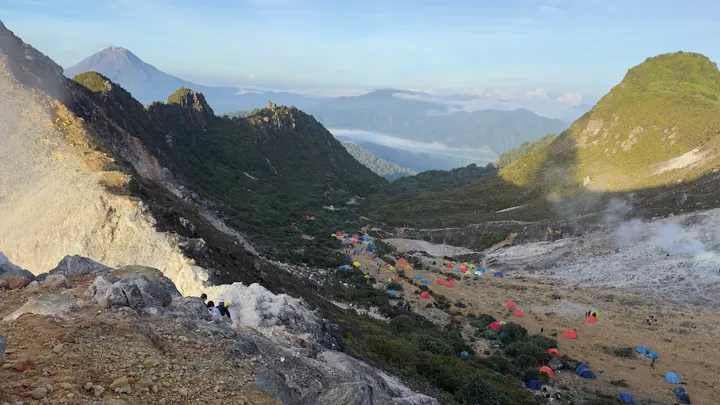
If there’s one question we hear more than any other from first-time visitors to North Sumatra, it’s this: “When should I climb Mount Sibayak?” The answer isn’t as simple as picking a month on the calendar. It depends on what kind of experience you’re after — and how you feel about rain.
Understanding North Sumatra’s Climate
North Sumatra sits just north of the equator, which means temperatures remain relatively consistent year-round. At sea level in Medan, you’ll experience tropical heat averaging 32°C. But the Karo Highlands, where Mount Sibayak is located, sit at around 1,300 meters elevation — making Berastagi significantly cooler with daytime temperatures of 18–24°C.
At the summit (2,212 m, about 7,257 ft), pre-dawn temperatures can drop to 8–10°C. Combined with wind chill, it can feel even colder. This is why layering is essential — you’ll start the climb in cool conditions and arrive at a genuinely cold summit.
The Dry Season: April to October
This is peak trekking season, and for good reason. Rainfall drops significantly, skies are clearer, and the probability of catching a stunning sunrise is at its highest. The trails are drier and less slippery, making the ascent safer and more enjoyable. Ideal for first-time trekkers and families.
The Wet Season: November to March
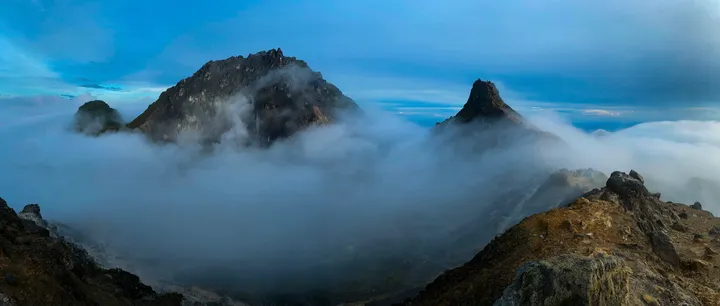
Rain increases significantly during these months, with heavy afternoon downpours being the norm. Morning treks are still possible — and some argue the misty, dramatic atmosphere makes for even more memorable experiences. But be prepared: trails will be muddy, visibility can be low, and the sunrise is less reliable.
Mount Sibayak Weather by Month
The pattern below is what we see guiding every week of the year: rain decides the trail, and the trail decides the sunrise.
| Month | Rainfall | Sunrise odds | Verdict |
|---|---|---|---|
| January–March | High | Lower — misty, dramatic mornings | For flexible travelers |
| April | Falling | Improving fast | Shoulder-season sweet spot |
| May–September | Low | Highest — clear skies, dry trails | Peak season |
| October | Moderate | Still good | Quieter trails |
| November–December | High | Lower | Early-morning starts only |
Even in peak season an afternoon shower is always possible — this is a tropical volcano. That is why every departure starts before dawn: you are on the summit for sunrise and back in Berastagi before the weather turns.
Weather questions we get on WhatsApp
How cold is the summit at sunrise? Pre-dawn temperatures at the crater rim drop to 8–10°C, and wind chill makes it feel colder. Bring a warm jacket and gloves; most guests wear three layers.
Does it rain during the dry season? Occasionally, usually in the afternoon. Dry-season mornings are reliably clear, which is exactly when we climb.
Are the rocks slippery even when it is dry? Near the crater, yes. Steam from the vents and morning dew keep the volcanic rock damp in any season, so wear shoes with real grip rather than smooth-soled trainers.
Does the best time change if I come from Medan? The mountain conditions are the same. Starting in Berastagi gives you more flexibility, though: the transfer is short, so it is easier to move your trek a day when the forecast looks better. From Medan, more of the day depends on a long pre-dawn drive.
Is the wet season a no-go? No — morning treks run year-round. In November to March we start earlier, watch the forecast with you, and accept that the sunrise may come with drama: low cloud rolling through the crater is its own kind of view.
Whatever month you choose, our team will be ready to guide you to the summit safely. The mountain is waiting.
If you are planning the rest of your time in the highlands, our guide to things to do in Berastagi covers the hot springs, markets and viewpoints around the trek — and the full hiking guide has everything you need for the climb itself.
Researching difficulty, weather, or preparation?
Read the full Mount Sibayak hiking guide for route overview, difficulty, preparation, and safety tips before you plan the trek.
If you are comparing conditions, start with our Mount Sibayak weather and best time guide.
Planning around a specific date?
Message us the dates you're in North Sumatra and we'll tell you honestly what to expect — and whether to climb at all.
Ask on WhatsApp